Institute for Marine and Antarctic Studies · University of Tasmania
Following fish through a changing ocean
Principal investigator: Dr Barrett Wolfe, Research Fellow and fisheries scientist at IMAS and national coordinator of Redmap Australia. Based in nipaluna/Hobart, lutruwita/Tasmania.
We study how coastal and pelagic fishes move and what limits where they can live as Australia’s oceans warm. Much of the work is done with recreational fishers and citizen scientists, and is aimed at questions that fishery managers need answered.
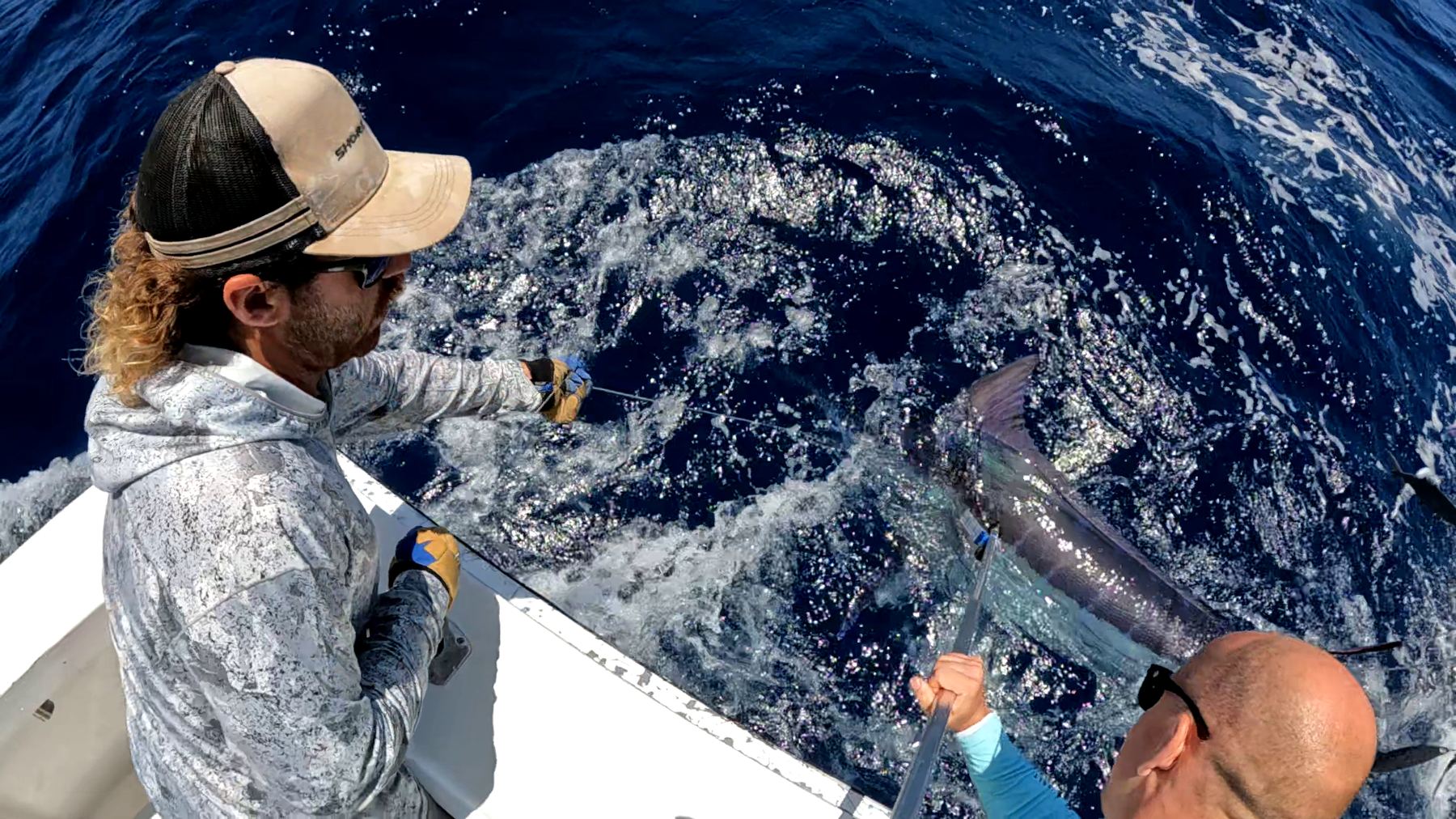
Bringing a marlin alongside for release. Barrett is on the right.
What we work on
Tracey et al. 2023, Scientific Reports
Wolfe and Lowe 2015, Marine Environmental Research
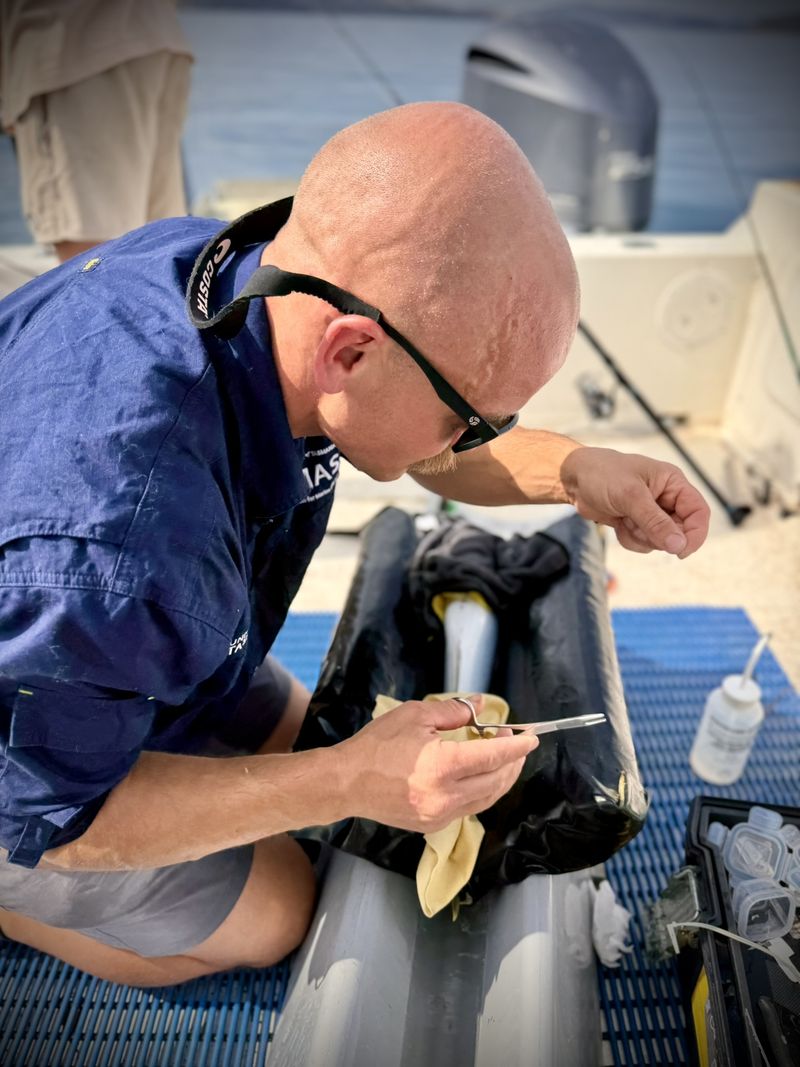
Implanting an acoustic tag before release.
Movement
Where fish go, and when
Tags show where fish spend their time, which is the starting point for most spatial management. Our tracking has ranged from white croaker on a contaminated shelf off Los Angeles to swordfish moving between the temperate and tropical southwest Pacific.
Swordfish dive tracks from pop-up satellite archival tags, drawn over the seafloor off southeast Australia (Tracey et al. 2023).
Wolfe et al. 2020, Conservation Physiology
A tagged snapper in a swim tunnel, used to calibrate tag accelerations against metabolic rate.
Physiology
What sets the limits
While the direction of range shifts broadly follows ocean warming, how far and how fast a species moves depends on its biology. We pair laboratory trials with field work to test which mechanisms matter, from snapper at their southern range edge to skates and sportfish after capture and release.
Wolfe et al. 2025, Diversity and Distributions
Monthly sea surface temperature off southeast Australia, one of the fastest-warming ocean regions.
Citizen science
Species on the move
Redmap asks fishers, divers and beachgoers to log marine species they see outside their usual range. Combined with other citizen science and modelling, a decade of these records identified dozens of climate-driven range extensions around Australia.
Recreational catches of tropical tunas and billfishes, FRDC 2022-173
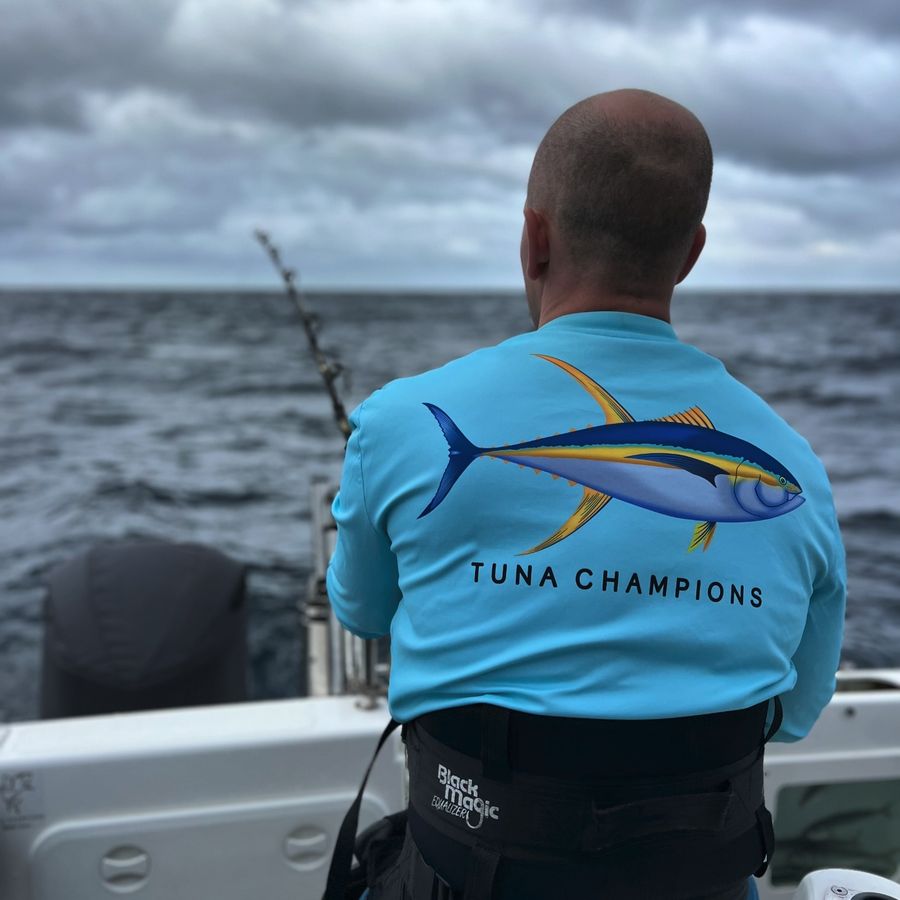
Out with the game fishing community.
Fishery data
Getting more from the records we have
Many fisheries, recreational ones especially, lack the routine data that stock assessments rely on. We work on drawing reliable indicators from the records that do exist, such as club and charter logbooks, tournaments and tagging programs, and on which new monitoring is worth its cost.
Student projects
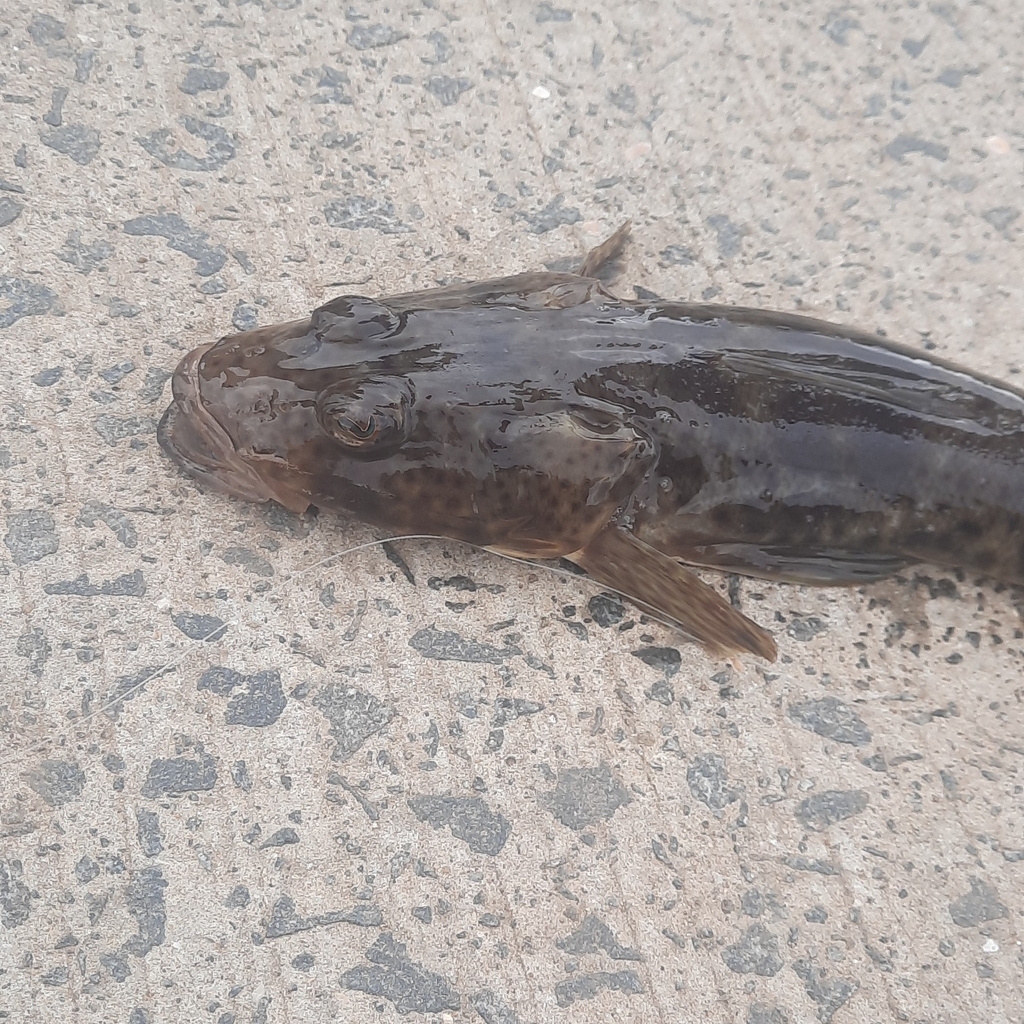
PhD · from 2026
Stress physiology, behaviour and angling in an iconic species.
Co-supervised
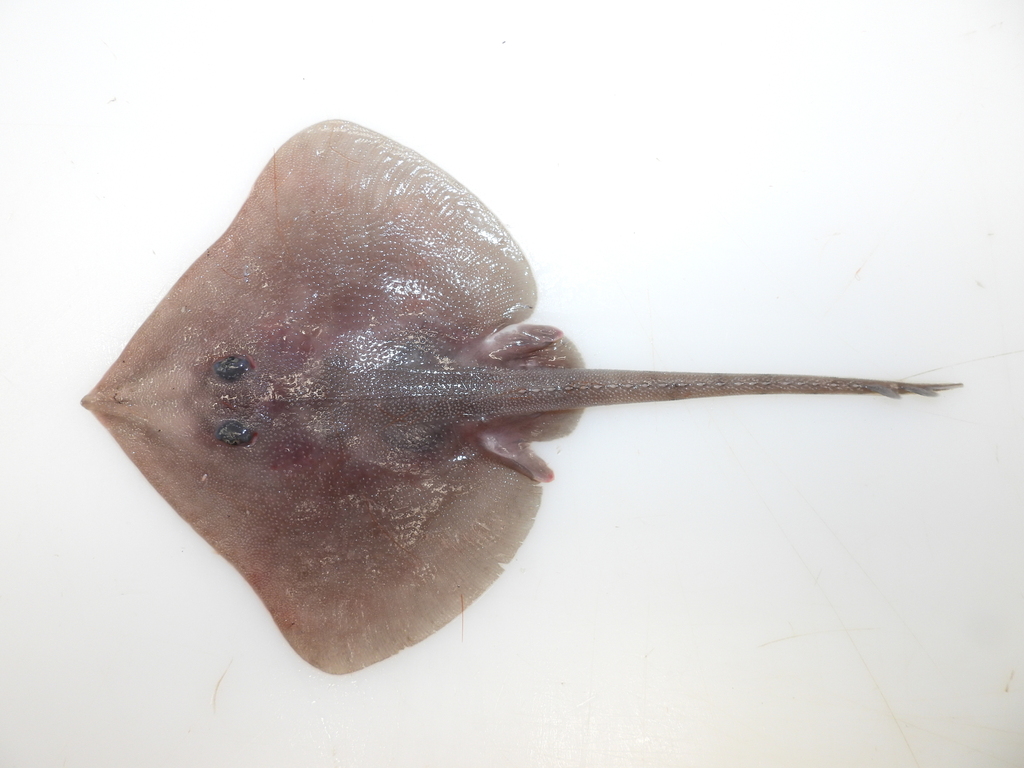
PhD · from 2022
Bycatch mortality of deep-sea skate
Movement and physiology of Bathyraja irrasa caught on demersal longlines.
Co-supervised
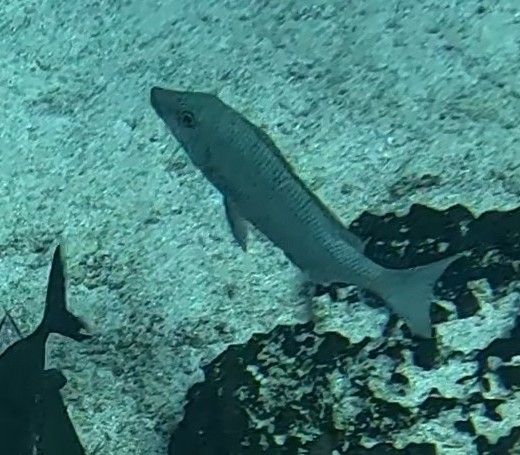
PhD · completed 2026
Longface emperor fisheries in Palau
Status of Lethrinus olivaceus to inform coral reef fisheries management.
Christina Muller-Karanassos
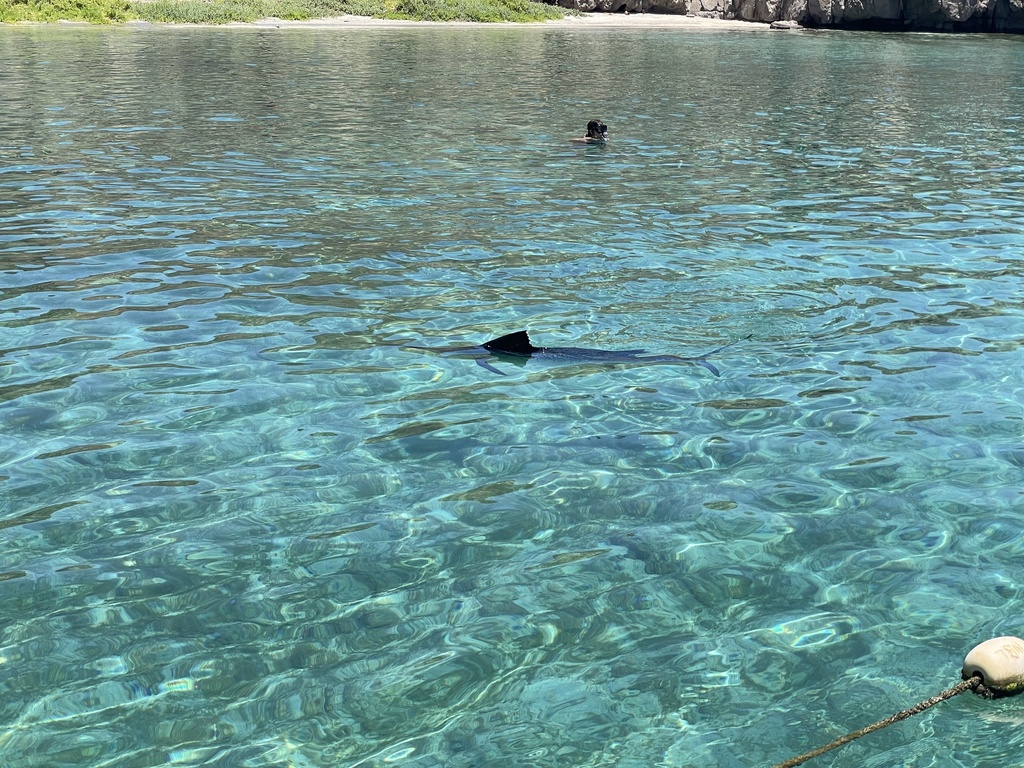
Student project · 2025
Striped marlin species distribution models
Linking striped marlin records to ocean conditions to map habitat through time.
Jennifer Owen
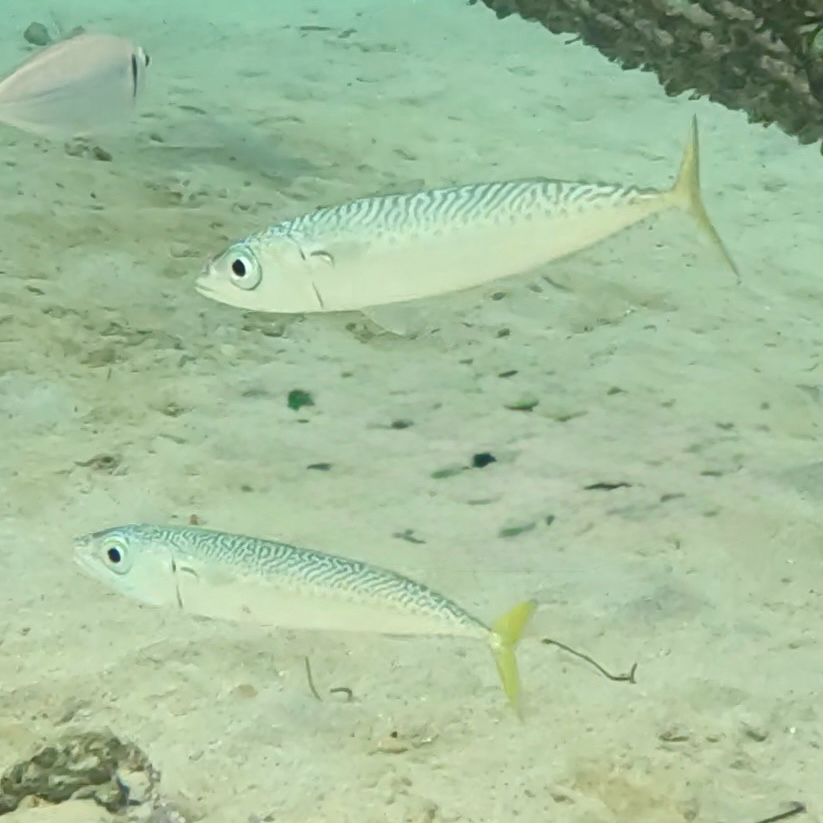
Student projects · 2023, 2024
Age and growth of one of the main species in Australia’s Small Pelagic Fishery.
Two students
Supervision
Three PhD students, one completed, and seven Honours and Masters students
Unit coordinator for Fishing Technology and Science of Fishing at UTAS.
Honours and Masters projects are also listed each year on the IMAS study pages. For a PhD, get in touch well before the scholarship round closes.
Join the lab
I am keen to hear from prospective Honours, Masters and PhD students interested in fish movement and physiology, or in making better use of fishery data. Projects range from time on the water to modelling at a desk, and many involve working alongside recreational fishers.
Student project photos are placeholders from iNaturalist under CC BY 4.0; see image credits.